Top AI Sales Agent Platforms in 2026: A Practical Guide for Modern Revenue Teams
Artificial intelligence is rapidly changing how sales teams operate.
What started as simple automation tools has evolved into intelligent AI sales agents capable of researching prospects, qualifying leads, writing personalized outreach, scheduling meetings, and even handling portions of customer conversations.
For sales leaders across the United States, the challenge is no longer whether AI belongs in the sales process. The challenge is identifying which platforms can actually improve pipeline generation, increase productivity, and help teams close more business.
The market is crowded with AI-powered sales tools, each promising dramatic gains in efficiency and revenue. Yet not all platforms are created equal.
Some focus on outbound prospecting. Others specialize in conversational AI, lead qualification, sales coaching, or revenue intelligence.
This guide explores the top AI sales agent platforms businesses should evaluate in 2026 and the key factors that separate truly useful solutions from the growing number of AI tools entering the market.
Why AI Sales Agents Are Growing So Fast
Modern sales teams face increasing pressure to do more with fewer resources.
Reps spend significant time on:
* Prospect research
* CRM updates
* Writing emails
* Lead qualification
* Follow-up activities
* Administrative tasks
Many studies suggest that sales representatives spend less than half of their time actively selling.
AI sales agents help bridge this gap by automating repetitive tasks while providing insights that improve decision-making.
Benefits often include:
* Faster prospecting
* More personalized outreach
* Better lead qualification
* Improved pipeline visibility
* Increased sales productivity
* Higher response rates
Organizations that successfully integrate AI into their sales process frequently gain a measurable competitive advantage.
1. Salesforce Sales Cloud AI
When discussing AI-powered sales platforms, Salesforce remains one of the most influential players in the market.
Its AI capabilities are deeply integrated into existing sales workflows, allowing organizations to leverage AI without replacing core systems.
Key Strengths
* Opportunity forecasting
* Automated lead scoring
* Sales recommendations
* CRM intelligence
* Enterprise-scale capabilities
Best For
Large organizations already using Salesforce and looking to enhance existing sales operations with AI.
Considerations
The platform’s extensive functionality may be more than smaller organizations require.
2. HubSpot Sales Hub AI
HubSpot has become a popular choice among startups, SMBs, and mid-market organizations due to its ease of use and integrated ecosystem.
Its AI tools help sales teams automate outreach, summarize interactions, and improve prospect engagement.
Key Strengths
* User-friendly interface
* AI-generated content assistance
* Lead prioritization
* Meeting summaries
* Strong marketing alignment
Best For
Growing businesses seeking a balance between automation and simplicity.
Considerations
Organizations with highly complex enterprise sales processes may eventually require additional customization.
3. Apollo.io
Apollo has emerged as one of the fastest-growing platforms for outbound sales teams.
It combines prospect data, sales engagement tools, and AI-powered workflow automation within a single platform.
Key Strengths
* Large prospect database
* AI-assisted outreach
* Sequence automation
* Lead enrichment
* Prospect discovery
Best For
Outbound-focused teams prioritizing pipeline generation and prospecting efficiency.
Considerations
Data quality should always be validated before launching large-scale campaigns.
4. Outreach
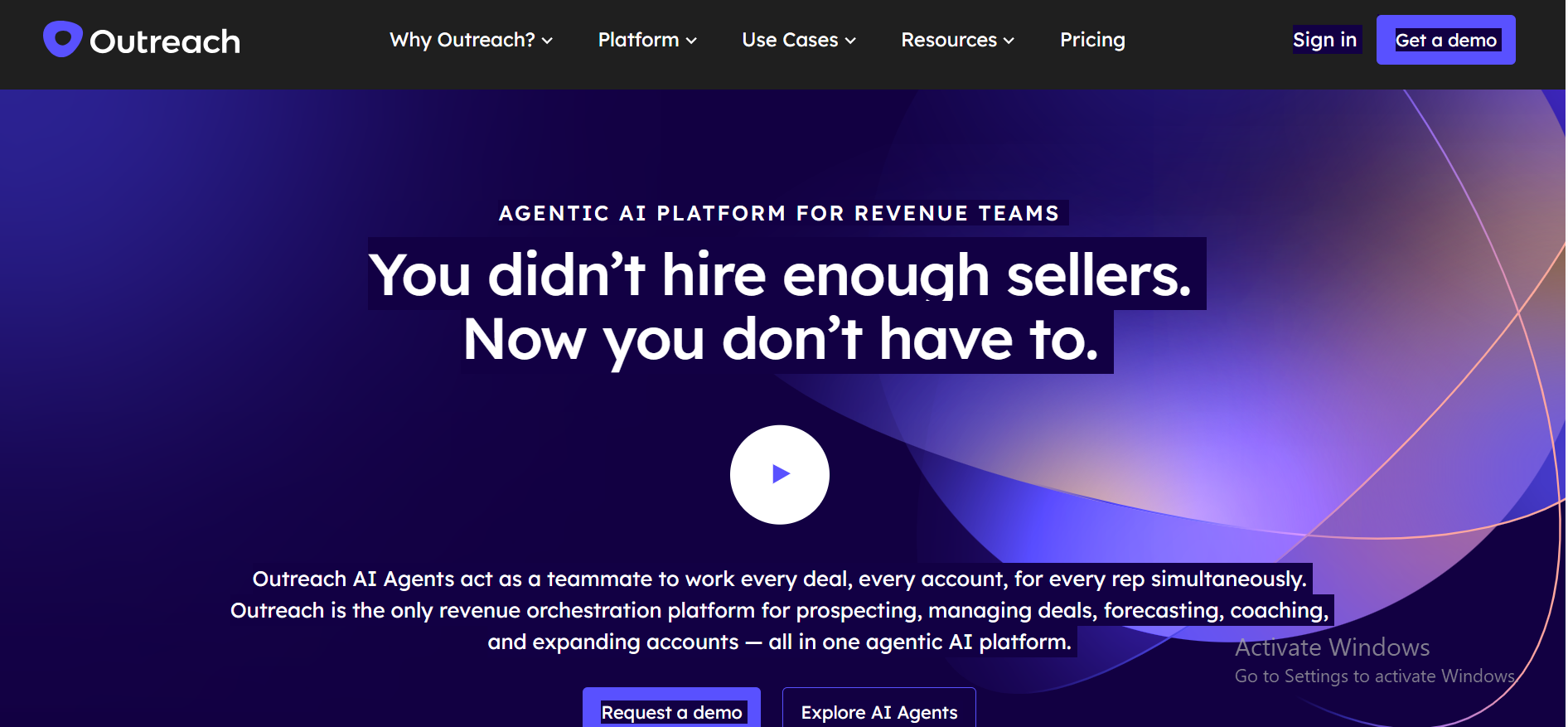
Outreach is widely recognized for helping sales organizations improve execution across the entire revenue cycle.
Its AI features assist with prioritization, coaching, forecasting, and engagement optimization.
Key Strengths
* Sales workflow automation
* Conversation intelligence
* Pipeline management
* Revenue forecasting
* Coaching recommendations
Best For
Revenue organizations seeking a comprehensive sales execution platform.
Considerations
The platform is most valuable when adopted consistently across the sales organization.
5. Gong
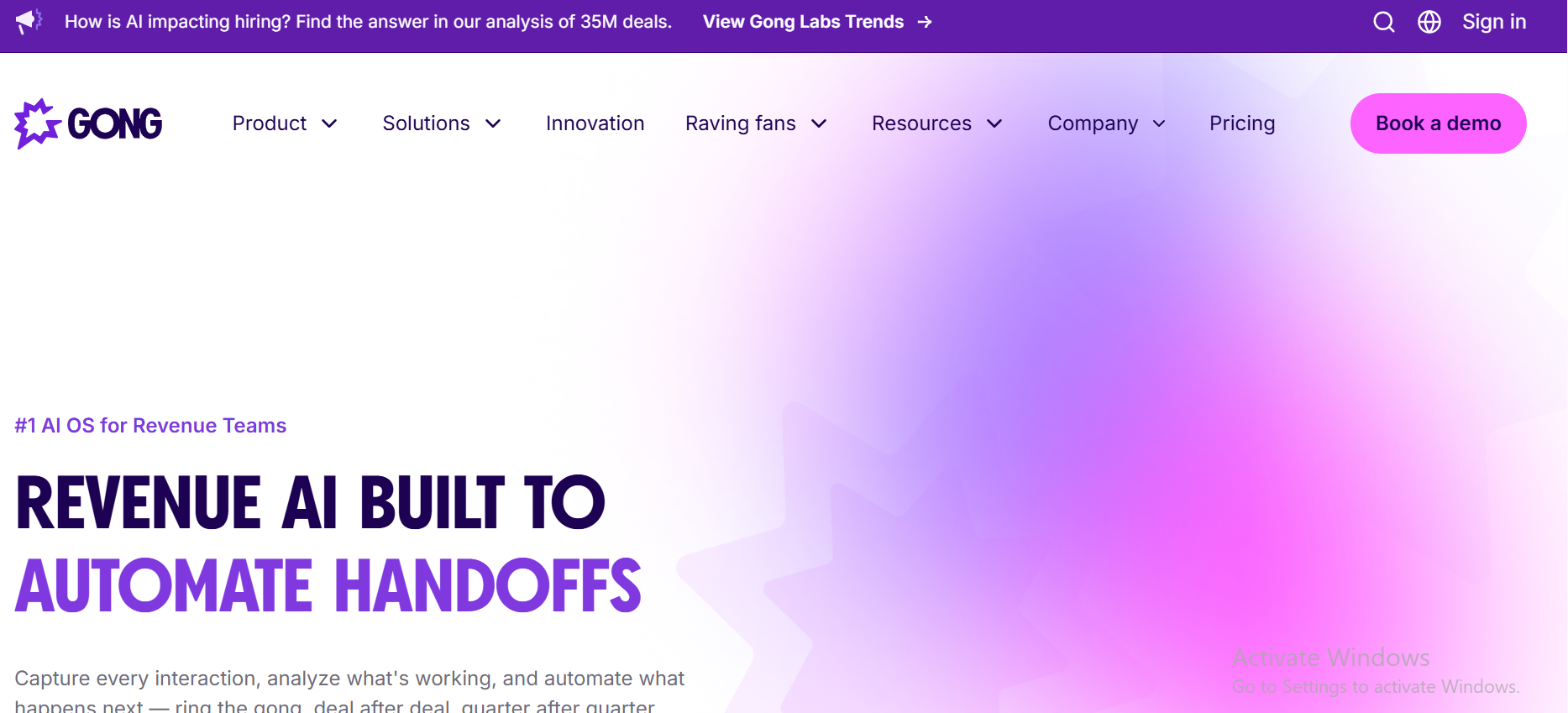
Gong pioneered revenue intelligence by analyzing customer conversations at scale.
Rather than focusing exclusively on prospecting, Gong helps organizations understand what drives successful sales outcomes.
Key Strengths
* Conversation analysis
* Deal intelligence
* Sales coaching
* Risk detection
* Pipeline insights
Best For
Teams wanting deeper visibility into customer interactions and sales performance.
Considerations
Success depends on widespread usage and quality conversation data.
6.Clari

Clari focuses heavily on forecasting accuracy and revenue operations.
Its AI analyzes pipeline data and helps leadership teams identify risks before they impact results.
Key Strengths
* Forecasting accuracy
* Revenue visibility
* Pipeline health analysis
* Risk identification
* Executive reporting
Best For
Organizations seeking predictable revenue growth and stronger forecasting capabilities.
Considerations
The platform delivers the most value for teams with mature sales operations.
7. Drift
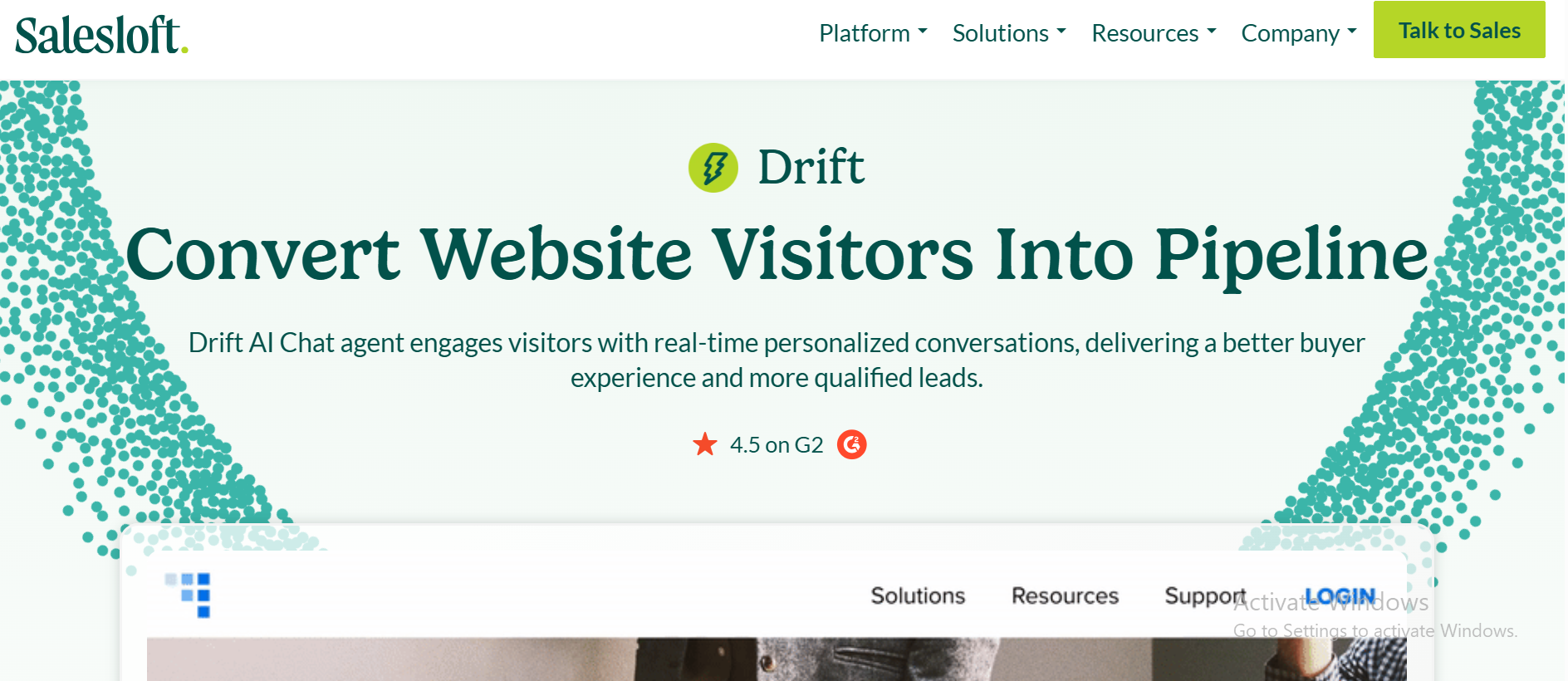
Drift helped popularize conversational AI for revenue teams.
Its AI-powered chat experiences engage website visitors and help qualify leads before handing them to human representatives.
Key Strengths
* Conversational AI
* Lead qualification
* Meeting scheduling
* Website engagement
* Real-time interactions
Best For
Companies generating significant inbound traffic.
Considerations
Results depend heavily on traffic quality and chatbot design.
8. Conversica
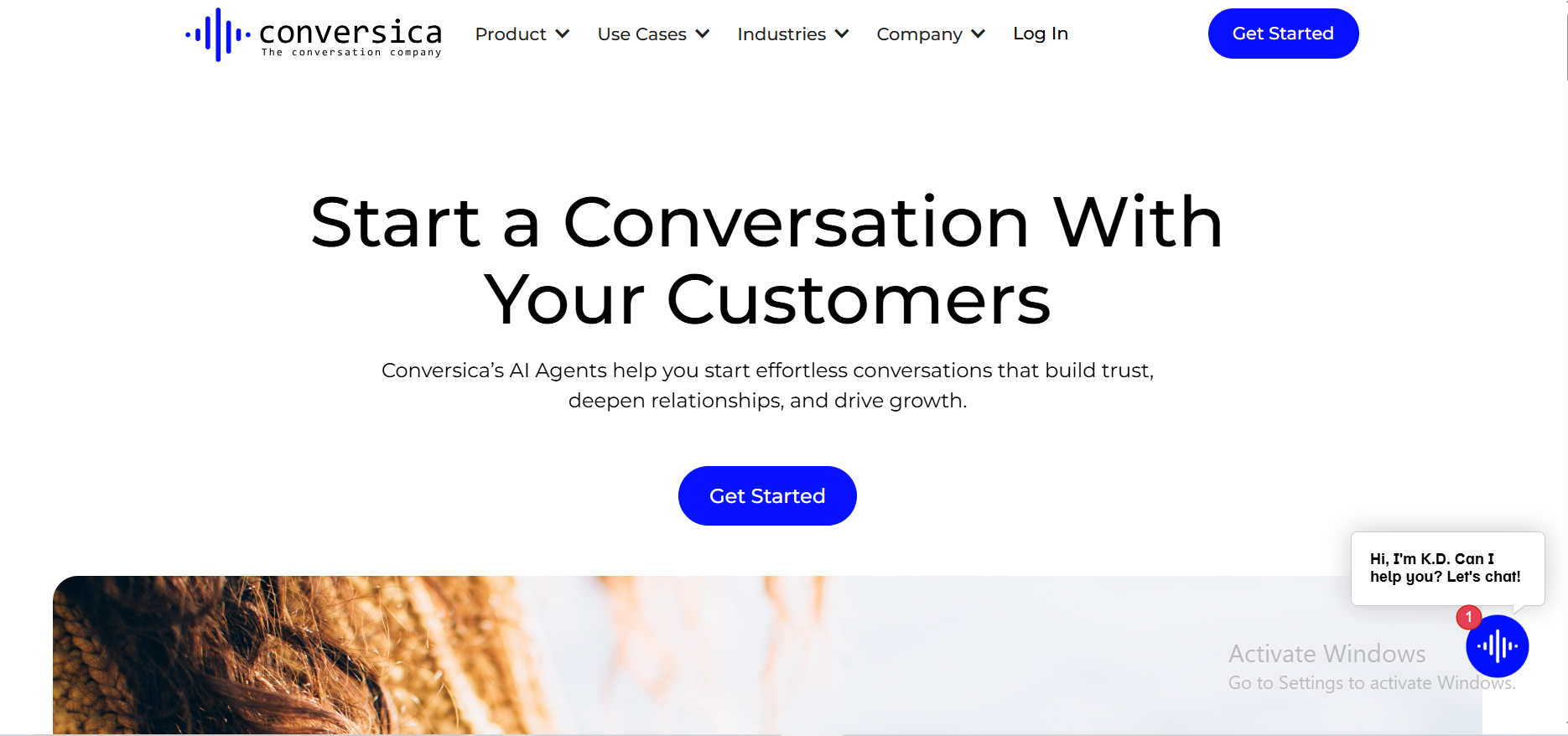
Conversica specializes in AI-powered virtual sales assistants.
The platform engages leads automatically and helps sales teams focus on prospects showing genuine buying intent.
Key Strengths
* Lead engagement
* Follow-up automation
* Intent detection
* Qualification workflows
* Multi-channel communication
Best For
Organizations managing large lead volumes.
Considerations
AI interactions should be monitored to ensure brand consistency.
What Makes a Great AI Sales Agent Platform?
Selecting a platform should involve more than evaluating AI features.
The strongest solutions help sales teams achieve measurable outcomes.
Key evaluation criteria include:
1. Workflow Integration
The platform should integrate naturally with:
* CRM systems
* Email platforms
* Sales engagement tools
* Customer data sources
2. Personalization Quality
Generic AI outreach rarely performs well.
The best platforms produce messaging that feels relevant and human.
3. Data Quality
AI effectiveness depends heavily on data accuracy.
Strong data often creates more value than advanced AI capabilities alone.
4. Transparency
Sales leaders need visibility into:
* AI recommendations
* Qualification logic
* Forecasting assumptions
Trust is essential for adoption.
5. ROI Measurement
The platform should demonstrate impact through metrics such as:
* Pipeline growth
* Response rates
* Meeting bookings
* Win rates
* Revenue contribution
Common Mistakes When Adopting AI Sales Agents
Many organizations struggle not because the technology fails, but because implementation fails.
Common mistakes include:
Automating Too Much
AI should support human sellers, not completely replace relationship-building.
Ignoring Data Hygiene
Poor CRM data often produces poor AI outcomes.
Focusing on Features Instead of Results
The goal is revenue growth—not simply adding AI to the sales process.
Lack of Sales Team Adoption
Even the best platform delivers little value if representatives avoid using it.
The Future of AI Sales Agents
The next generation of AI sales agents will move beyond simple task automation.
Future platforms are expected to:
* Conduct deeper prospect research
* Generate highly personalized outreach
* Recommend next-best actions
* Predict buying intent more accurately
* Assist with deal strategy
* Improve forecasting reliability
However, human relationships will remain central to successful selling.
The most effective organizations will use AI to enhance human capabilities rather than replace them.